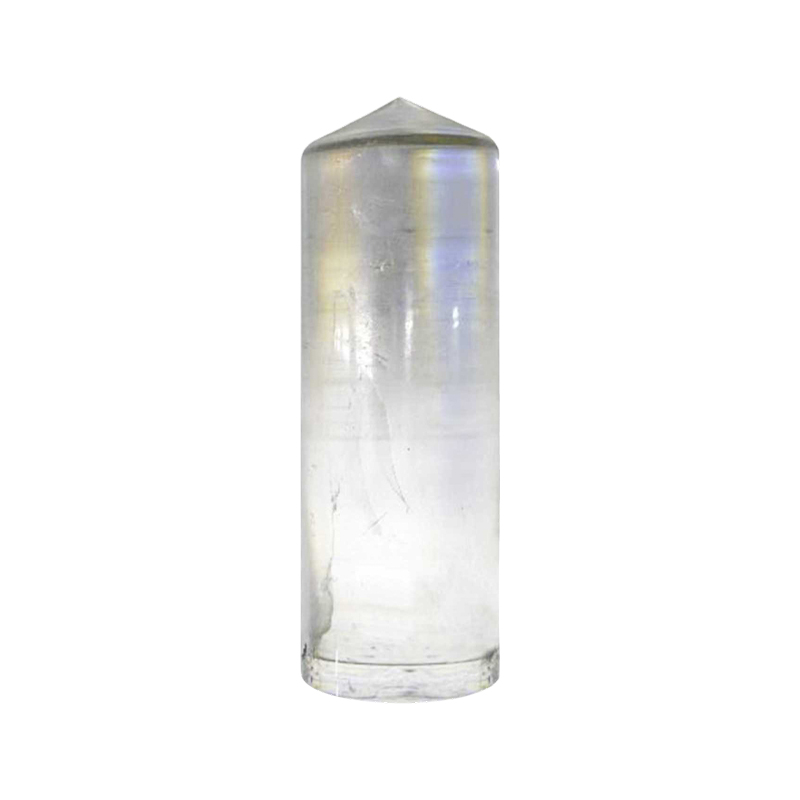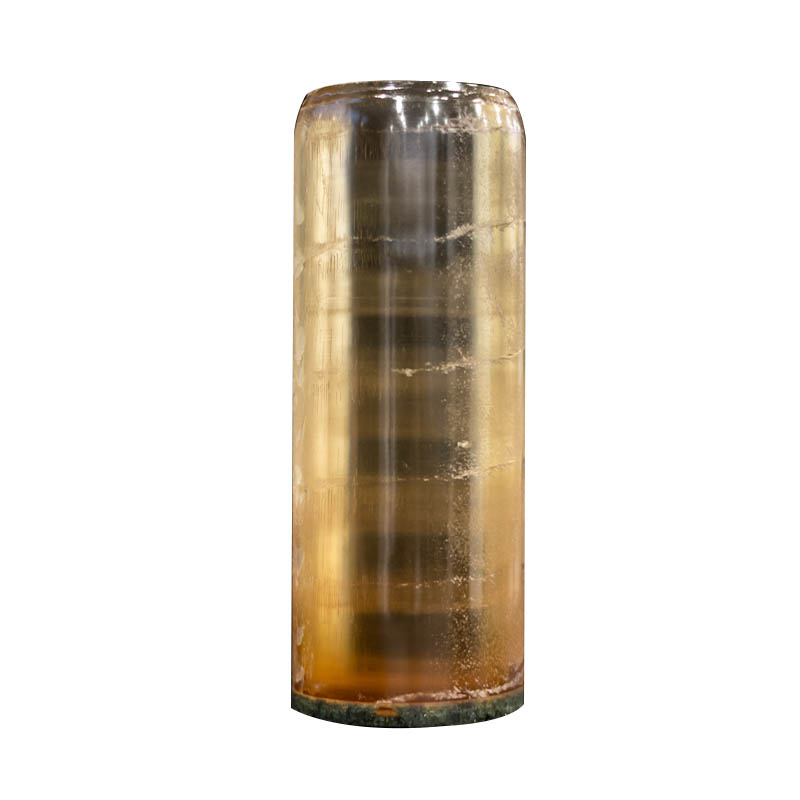

In the forefront of modern technology, from security checkpoints safeguarding public safety to high-energy physics laboratories exploring the mysteries of the universe, cadmium tungstate (CdWO₄) crystals play an indispensable role.
The Bridgman process is a commonly used method for preparing CSI crystals and arrays, and its core lies in the precise control of temperature gradient and growth rate.
Among the inorganic scintillator materials, cesium iodide (CsI) crystals stand out for their seemingly contradictory yet highly synergistic physical properties—a relatively low melting point coupled with extremely high density.
As radiation detection and imaging technologies continue to advance towards higher precision and sensitivity, the crystal structure characteristics of scintillator materials are increasingly becoming a key variable in device design.
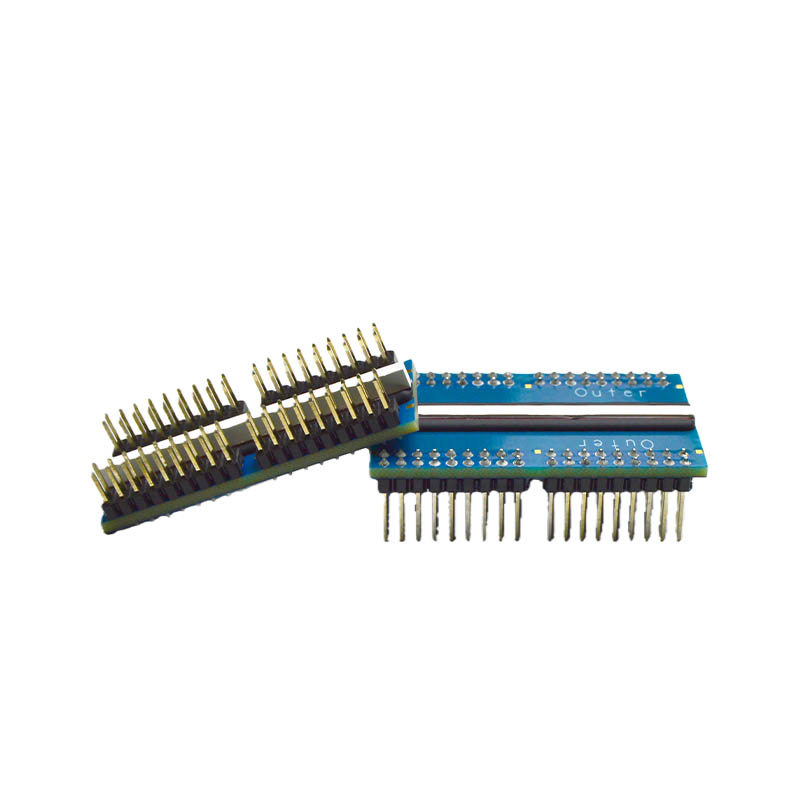
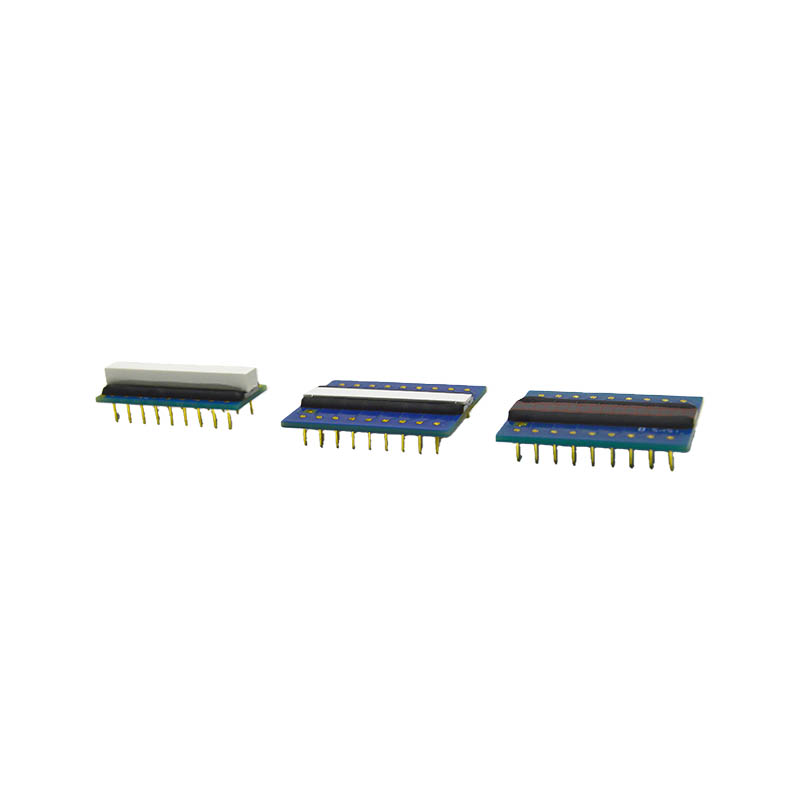
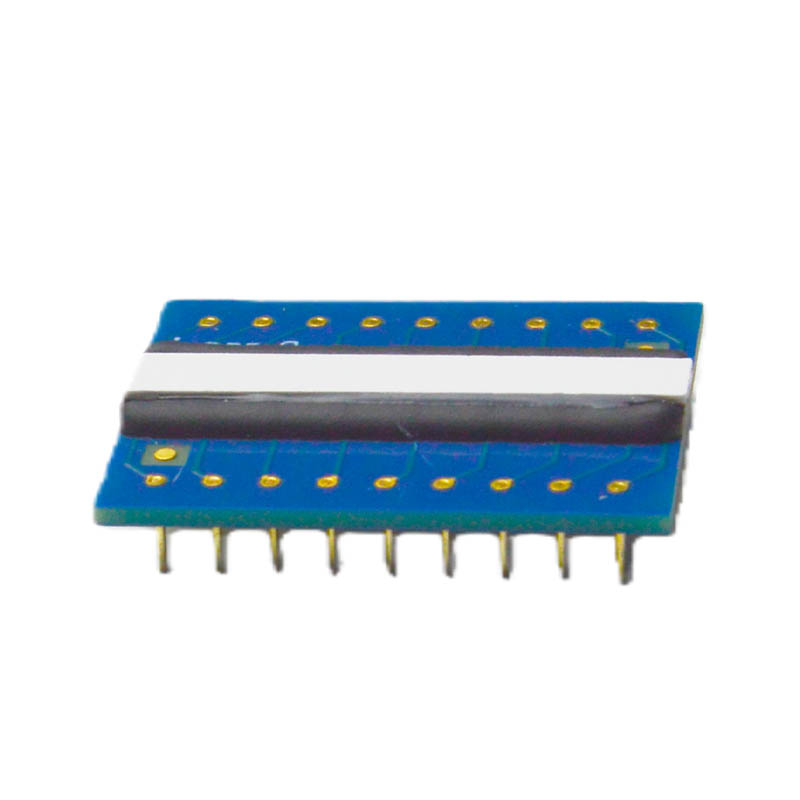
Against this backdrop, linear array detector modules based on 16-pixel frontally illuminated silicon photodiodes have successfully achieved high signal-to-noise ratio output under low-dose X-ray conditions, thanks to their superior device characteristics
In the field of radiation detection and imaging, the core mission of scintillators is to convert invisible high-energy rays into visible light signals that can be captured by photoelectric sensors.