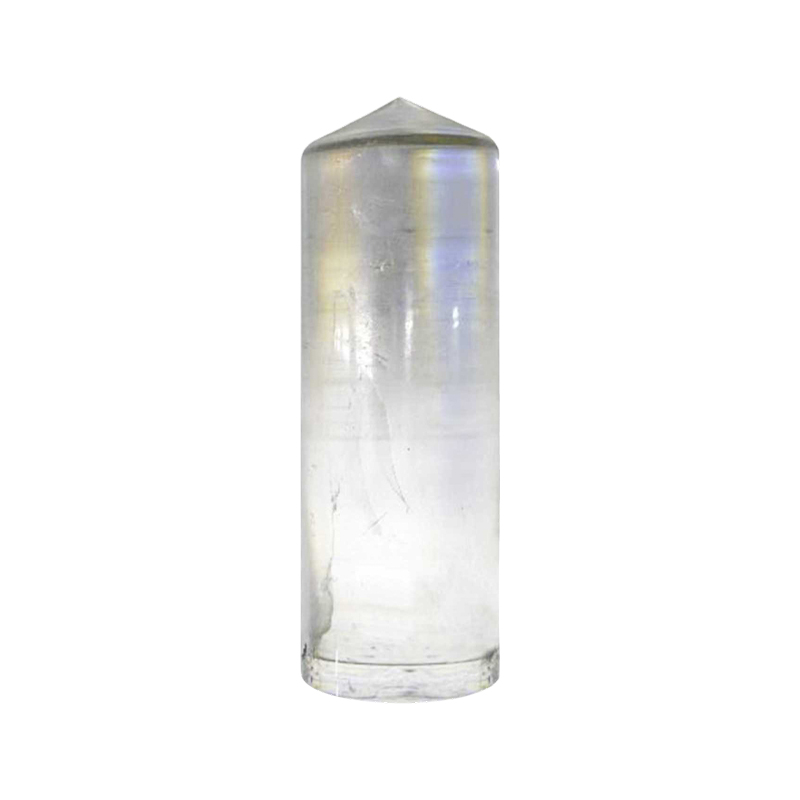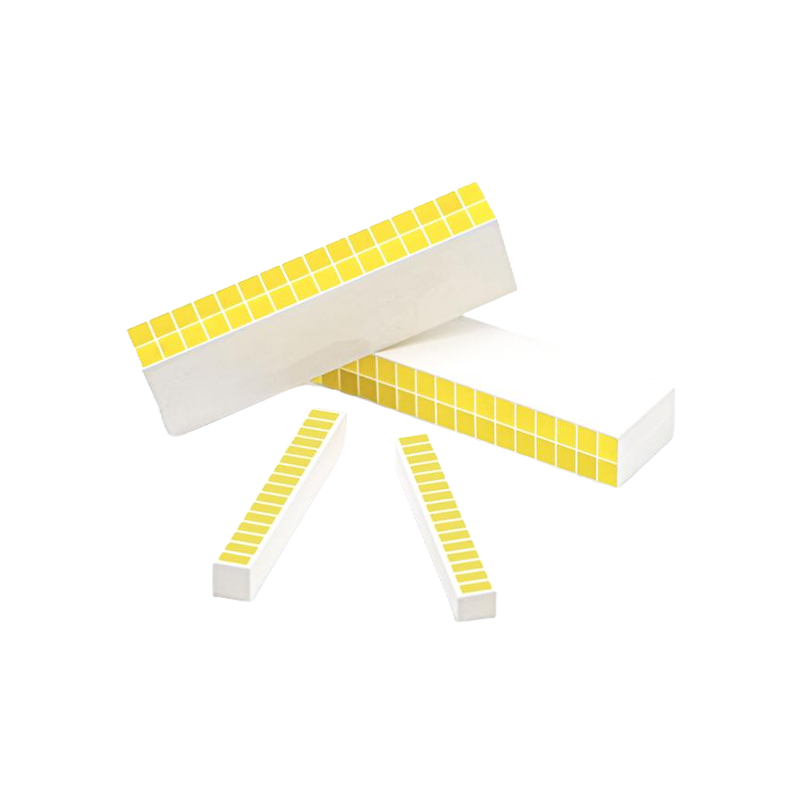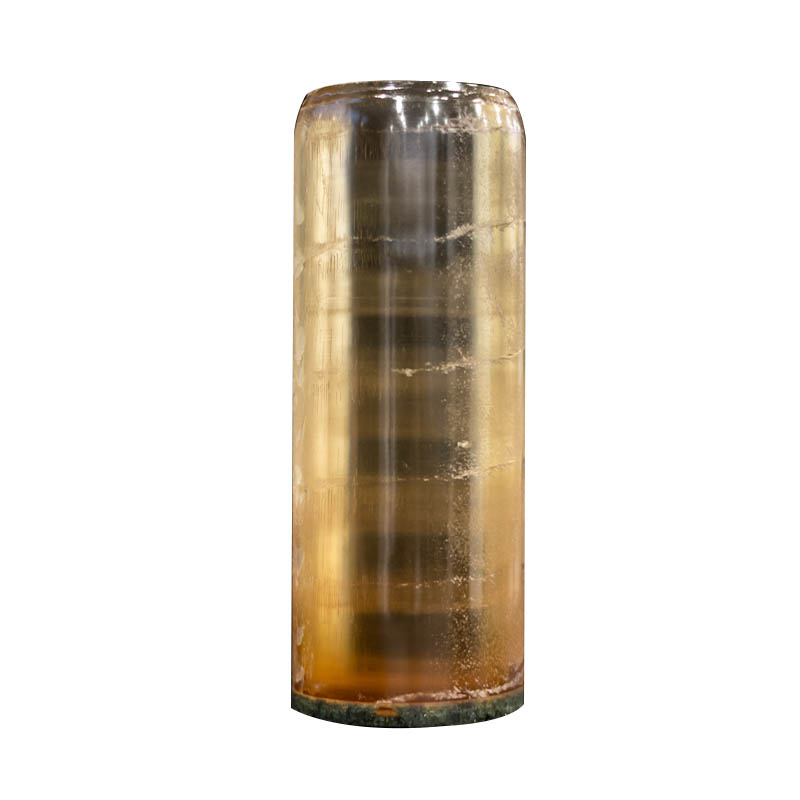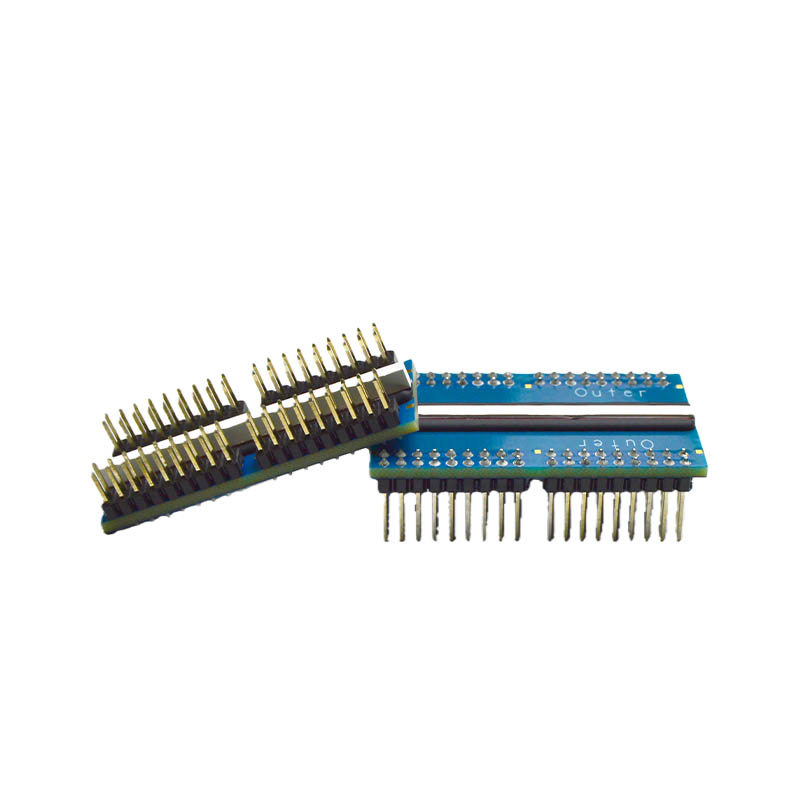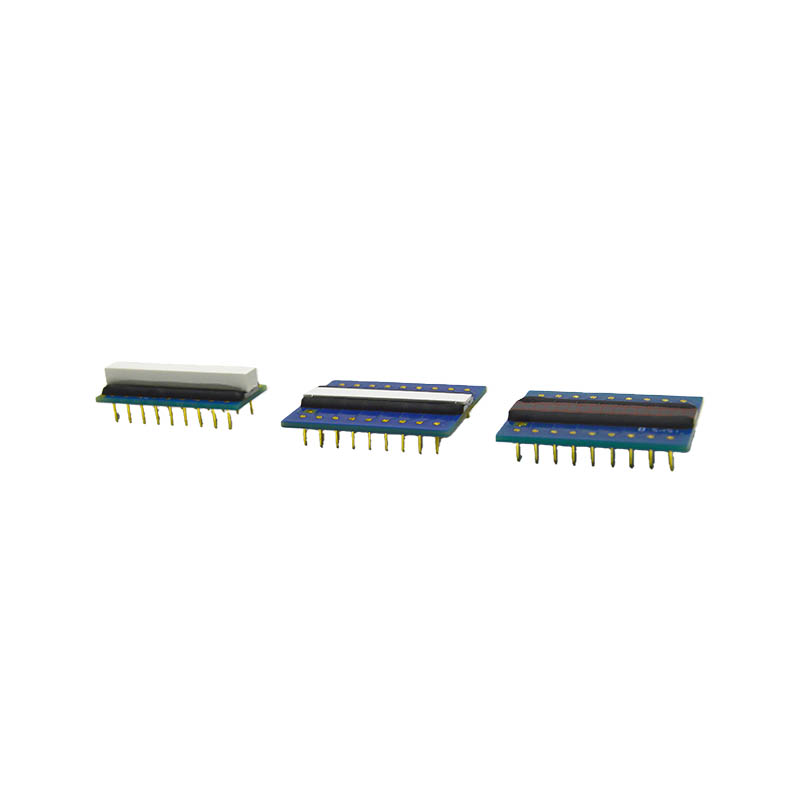

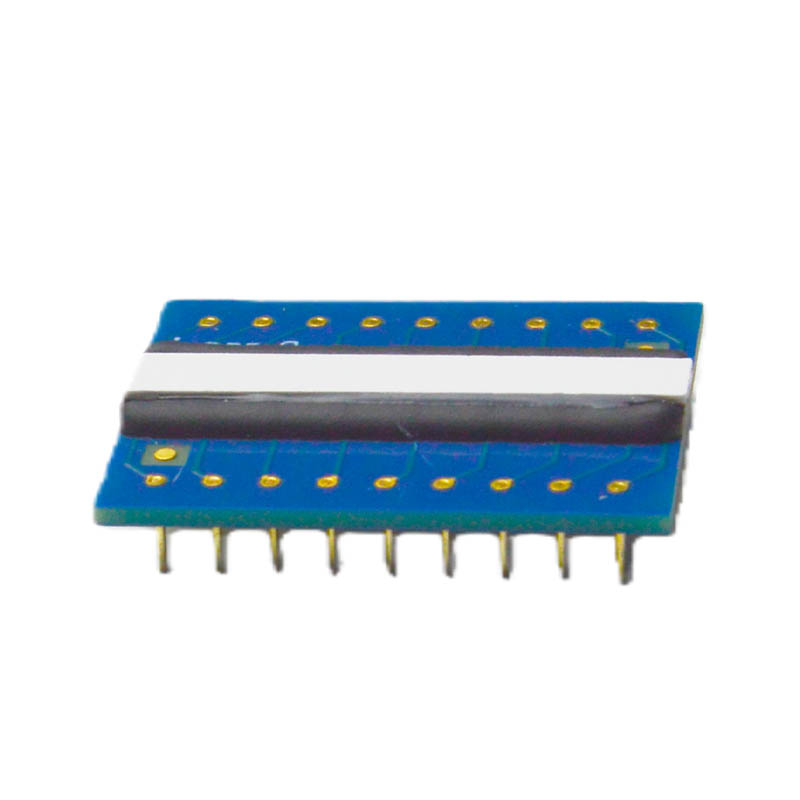
Maintaining high photovoltaic conversion efficiency in cadmium tungstate (CdWO₄) crystals requires comprehensive consideration of multiple aspects, including crystal materials, process optimization, structural design, and interface coupling.
When an optical signal shines on the photosensitive area of a PD chip, the photon energy is absorbed and excited electron-hole pairs, forming a photocurrent.
The pitch detector module optimizes algorithm performance through continuous software updates to adapt to new audio signal characteristics.
In the forefront of modern technology, from security checkpoints safeguarding public safety to high-energy physics laboratories exploring the mysteries of the universe, cadmium tungstate (CdWO₄) crystals play an indispensable role.
The Bridgman process is a commonly used method for preparing CSI crystals and arrays, and its core lies in the precise control of temperature gradient and growth rate.
Among the inorganic scintillator materials, cesium iodide (CsI) crystals stand out for their seemingly contradictory yet highly synergistic physical properties—a relatively low melting point coupled with extremely high density.